
Zoe Lorenz · 13 October 2026
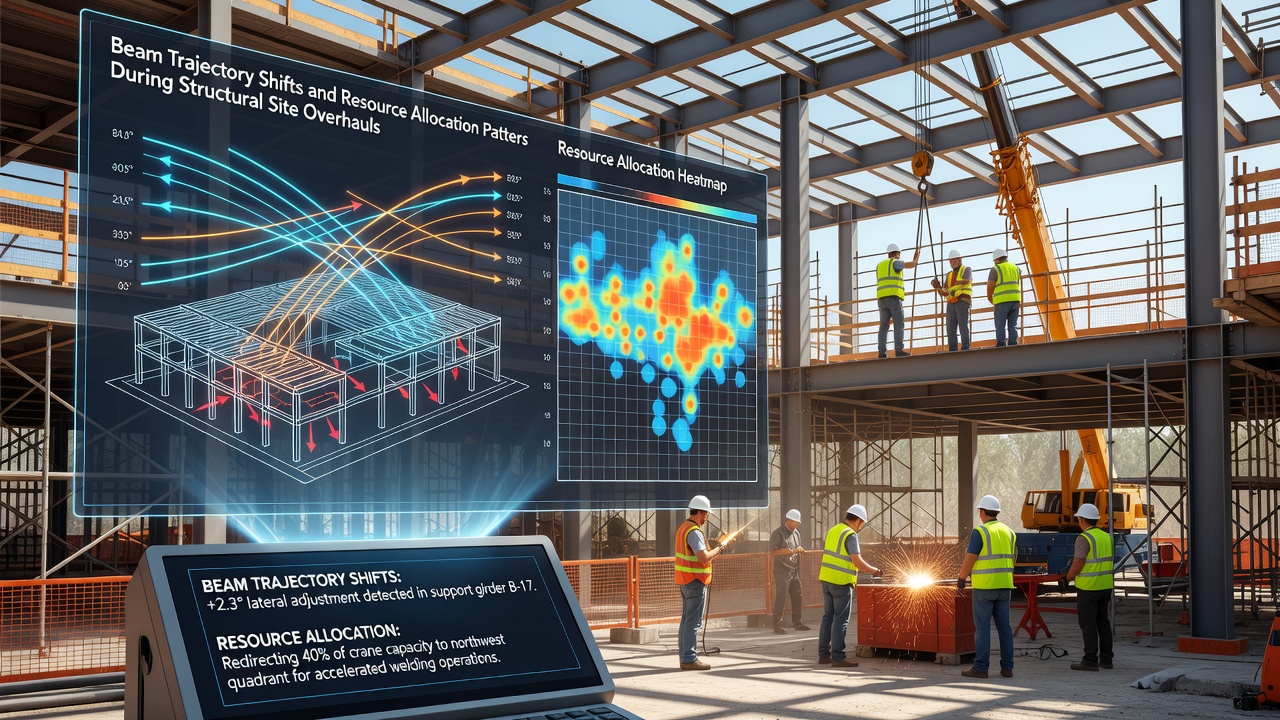
Beam Trajectory Shifts and Resource Allocation Patterns During Structural Site Overhauls
Structural site overhauls involve coordinated changes to load-bearing elements where beam trajectories experience measurable shifts as supports are removed or reinforced, and these movements directly influence how crews allocate labor, materials, and equipment across multi-phase projects. Data from ongoing construction monitoring programs show that trajectory deviations of even a few degrees can trigger recalibrations in crane placements and scaffolding layouts, while resource schedules must adapt to maintain stability throughout the process.
Core Mechanics of Trajectory Changes
Beam systems in existing structures follow predictable load paths until demolition or reinforcement begins, at which point temporary supports alter the original vectors and create new deflection patterns that engineers track through sensors and modeling software. Observers note that these shifts often occur in stages, with initial changes appearing during selective demolition and further adjustments emerging once new steel or concrete members are introduced, and project teams respond by reallocating crews to high-priority stabilization zones rather than spreading efforts evenly across the site.
Studies from the National Institute of Standards and Technology highlight how older buildings undergoing major renovations frequently display asymmetric trajectory movements when load-bearing walls are opened, prompting on-site managers to redirect heavy equipment and skilled trades toward affected sections before proceeding with adjacent work. This sequential approach helps prevent cumulative stress on remaining elements while keeping material deliveries timed to match the evolving structural demands.
Observed Allocation Patterns in Practice
Resource distribution during these overhauls tends to cluster around periods of highest trajectory instability, with labor hours shifting from general demolition crews to specialized structural teams as monitoring data indicates increasing deflection rates. Construction records reveal that sites often see a 30 to 40 percent increase in engineering oversight hours during the first two weeks of beam modifications, after which allocation stabilizes as new load paths settle into predictable ranges.
Canadian Centre for Occupational Health and Safety guidelines emphasize the need for dynamic scheduling of fall protection systems and temporary bracing supplies, since trajectory shifts can expose workers to changing fall hazards that were not present in the original layout. Project logs from multiple North American renovations demonstrate that crews who adjust material staging areas in response to real-time deflection readings complete stabilization phases with fewer delays than those following static plans.
Timeline Influences and October 2026 Data Trends
Seasonal factors combine with project milestones to shape allocation decisions, and records from late 2026 indicate that several large-scale overhauls scheduled for completion windows around October experienced accelerated resource draws when trajectory monitoring revealed faster-than-expected settlement in temporary supports. Teams responded by advancing orders for additional shoring materials and extending shift coverage for monitoring specialists rather than waiting for the next planned procurement cycle.
Research from university engineering departments tracking similar projects shows that sites maintaining flexible labor pools and modular equipment inventories adapt more efficiently when beam alignments deviate from predicted models, and these adaptations often reduce overall downtime by reallocating idle crews to parallel tasks such as utility rerouting or facade preparation.
Monitoring Integration with Daily Operations
Modern overhaul sites incorporate continuous deflection sensors that feed data directly into resource planning software, allowing managers to anticipate when additional bracing crews or crane time will be required and to shift those assets before bottlenecks form. This integration turns raw trajectory readings into actionable schedules that balance immediate stabilization needs against longer-term finishing work, and multiple case examples confirm that early reallocation prevents the kind of cascading delays that occur when teams react only after visible movement appears.
Those managing large urban renovations have found that cross-training general laborers in basic monitoring tasks frees specialized engineers to focus on complex trajectory calculations, while still keeping enough personnel on hand to implement quick adjustments when readings change unexpectedly. The pattern holds across different building types, from mid-century offices to industrial facilities, suggesting that the underlying relationship between beam behavior and resource timing remains consistent regardless of architectural style.
Conclusion
Beam trajectory shifts during structural site overhauls create clear requirements for responsive resource allocation that prioritize stabilization phases and adjust crew and material deployment according to real-time monitoring results. Projects that treat these shifts as predictable variables rather than disruptions maintain steadier progress across the full overhaul timeline, and the data patterns observed through 2026 reinforce the value of integrated monitoring and flexible scheduling systems in achieving that consistency.